I still remember the first time I brought a platter of these mini lemon cakes to a spring garden party. They disappeared in minutes, with everyone asking for the recipe. That perfect bite of sunshine is exactly what I want to share with you today.
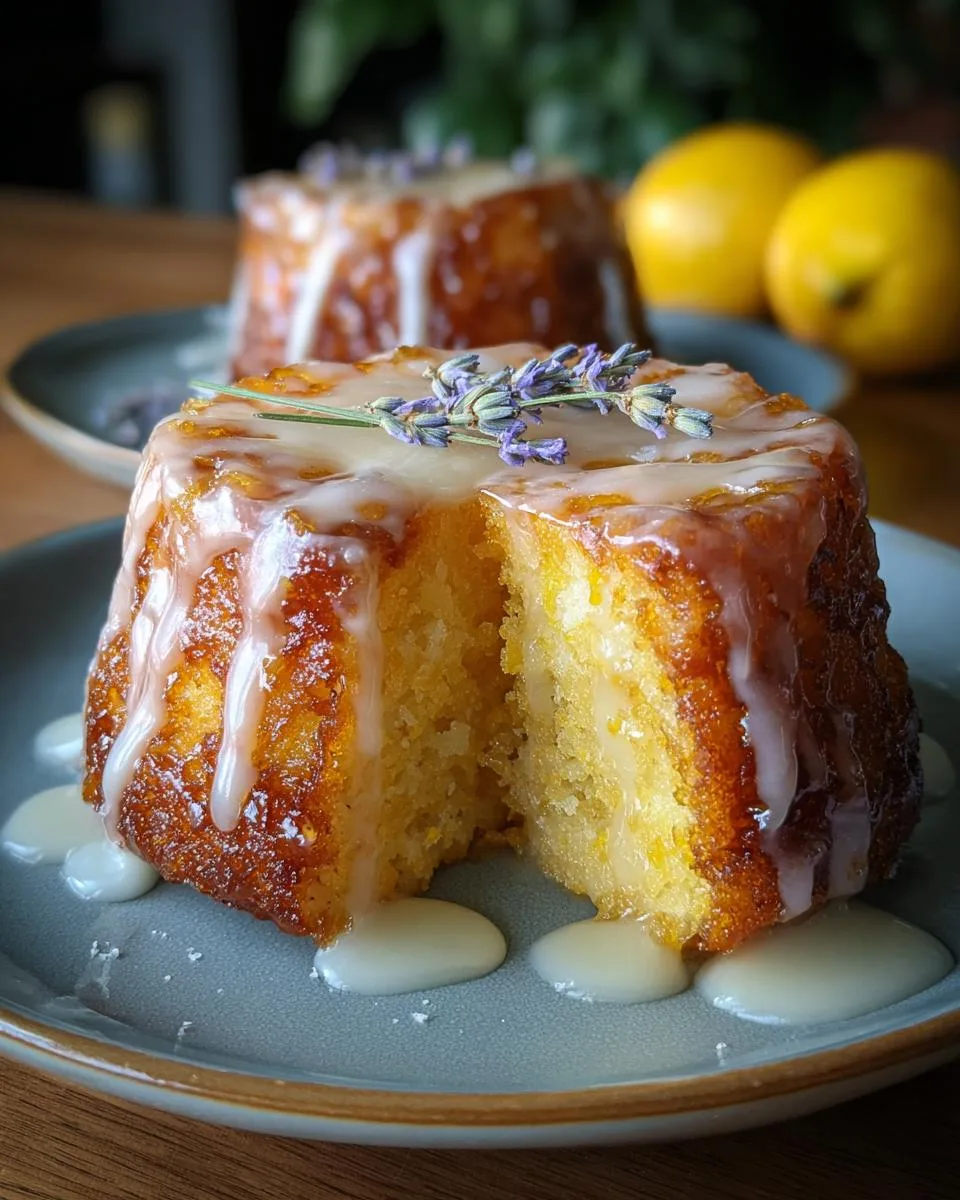
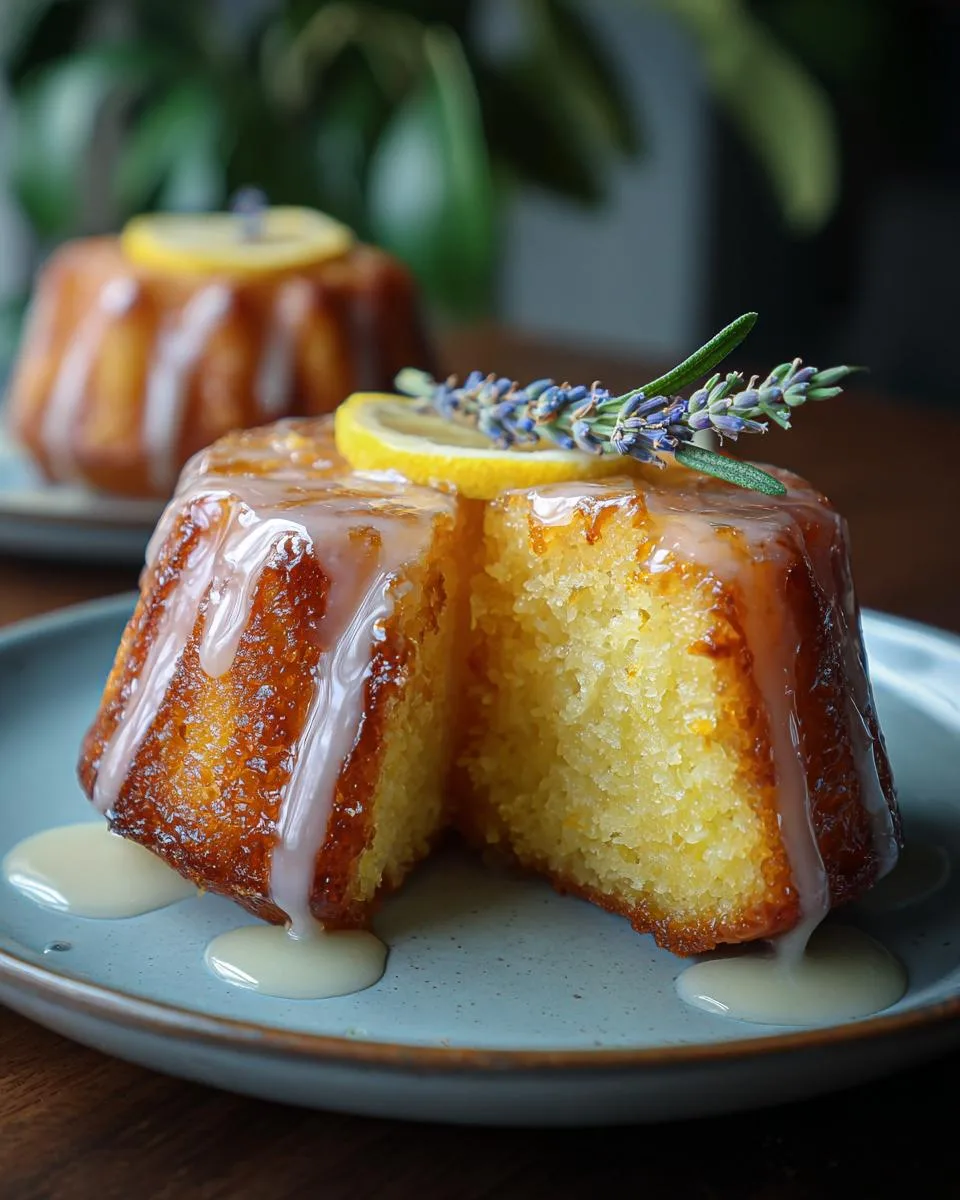
These mini lemon cakes are my go-to when I need something special that feels fancy but isn’t fussy. Each little cake has a wonderfully moist, tender crumb bursting with bright lemon flavor. The secret is a simple lavender glaze that adds a whisper of floral elegance. It sounds sophisticated, but I promise the process is straightforward and forgiving.
I’ve made these for years, from bridal showers to quiet Tuesday treats. They are little bites of pure joy. First, let’s walk through the recipe so you can see just how easy it is to create these stunning mini lemon cakes at home.
Table of Contents
Why You’ll Love These Mini Lemon Cakes
Once you try one, you will understand the hype. These mini lemon cakes hit every note a perfect dessert should. Let me break down exactly why this recipe earns a permanent spot in my baking rotation.
- Perfect Personal Portions: No slicing, no sharing required. Each mini cake is its own complete, delightful treat. This makes serving a crowd or packing a sweet lunchbox snack incredibly easy.
- A Sophisticated Flavor Pairing: The bright, sunny lemon and the gentle, floral lavender are a match made in heaven. It feels elegant and special, like something from a fancy bakery, but you make it in your own kitchen.
- Unbelievably Moist Texture: Thanks to sour cream, brown sugar, and my mixing method, these cakes stay supremely tender and soft for days. You get a professional-quality crumb every single time.
- Instant Celebration Cakes: Their petite size and beautiful glaze make them look like you spent all day baking. They transform any ordinary day into an occasion, from Mother’s Day brunch to a “just because” Tuesday.
- Beginner-Friendly Process: If you can zest a lemon and whisk ingredients together, you can make these. I’ve written the steps to be clear and foolproof, so you can bake with confidence.
In short, this mini lemon cake recipe delivers maximum joy for minimal kitchen stress. That is always a win in my book.
Ingredients You’ll Need
Great baking starts with great ingredients. Let’s gather everything for bright flavor and a supremely moist texture. I’ve grouped them here for your shopping and prep ease.
For the Mini Lemon Cakes
- 1 ⅓ cups all-purpose flour: Spoon it into your measuring cup and level it off. Don’t scoop directly from the bag, as that packs in too much flour and leads to dry cakes.
- ½ teaspoon kosher salt: This isn’t just for flavor. It balances the sweetness and actually makes the lemon taste brighter.
- ¼ teaspoon baking soda: Our leavening agent. It works with the acid in the sour cream and lemon to give our mini cakes a perfect little lift.
- ½ cup (1 stick) unsalted butter, softened: Room temperature is non-negotiable. It should press easily with a finger. This creates a smooth, fluffy base for your batter.
- ⅔ cup granulated sugar
- ⅓ cup packed light brown sugar: The molasses in brown sugar adds a subtle depth and, most importantly, extra moisture to keep the crumb tender.
- 1 tablespoon finely grated lemon zest: Use a microplane on fresh, unwaxed lemons. This is where the real sunshine flavor lives, not just in the juice.
- 2 large eggs: Also at room temperature. Cold eggs can make your lovely creamed butter seize up.
- ¼ cup sour cream: The secret weapon for moisture! Full-fat and room temperature, please. It guarantees a rich, tender bite.
- ¼ cup whole milk: Room temperature again. This team effort with the sour cream creates the perfect batter consistency.
- 1 teaspoon vanilla extract: A warm background note that makes the lemon flavor even more complex and delicious.
For the Lavender Glaze
- ¼ cup whole milk: For steeping. Warming it helps extract the lavender’s floral essence.
- ½ teaspoon dried culinary lavender buds: Must be labeled “culinary.” Lavender from a craft store isn’t for eating. This small amount gives a gentle perfume, not soapy flavor.
- 1 ½ cups powdered sugar: Sift it if it’s lumpy. This ensures your glaze is perfectly smooth and silky.
- ⅛ teaspoon vanilla extract: A tiny bit rounds out the glaze’s flavor.
Optional Garnishes
- Edible flowers like pansies or violas.
- Extra lemon zest for a pop of color.
A quick substitution tip from my kitchen: If you’re out of sour cream, an equal amount of full-fat plain Greek yogurt works beautifully. With your ingredients lined up and at room temperature, you are absolutely set to make the most delicious mini lemon cakes.
How to Make Mini Lemon Cakes
Let’s bake. This process is simple when you take it one step at a time. I will be right here with you, walking through every detail.
Step 1: Prep Your Pans and Preheat
Start by preheating your oven to 325°F (160°C). This lower temperature is perfect for mini cakes. It allows them to bake through evenly without doming too much or browning too quickly on the edges. While the oven warms, generously spray your mini muffin or cake pans with baking spray. This non-stick spray with flour gives you the cleanest release every time.
Step 2: Combine the Dry Ingredients
In a medium bowl, whisk together your flour, kosher salt, and baking soda. A good, thorough whisk here aerates the flour and evenly distributes the leavening agent. Once combined, set this bowl aside. Having it ready to go helps us avoid overmixing the batter later, which is key for tender cakes.
Step 3: Make the Lemon Cake Batter
Now for the fun part. In the bowl of a stand mixer (or a large bowl with a hand mixer), beat the softened butter, both sugars, and the lemon zest on medium speed. Do not rush this. Beat it for a full 3 minutes until the mixture is pale, fluffy, and smells like lemon candy.
Scrape down the bowl. Add the eggs one at a time, beating well after each until fully incorporated. In a separate small bowl, whisk together the sour cream, milk, and vanilla extract until smooth.
With the mixer on low speed, add about one-third of your dry ingredients. Mix just until the flour disappears. Next, add half of the sour cream mixture. Mix until combined. Repeat with another third of flour, the rest of the sour cream, and finish with the last of the flour. Stop mixing as soon as you have a smooth, homogenous batter. A few streaks are okay. Overmixing is the enemy of a soft crumb.
Step 4: Bake and Cool the Mini Lemon Cakes
Divide the batter evenly among your prepared cups, filling each about ¾ full. Gently tap each pan flat on your counter two or three times. This releases any large air bubbles for an even texture. Bake for 18 to 20 minutes. They are done when the tops spring back lightly to the touch and a wooden skewer inserted into the center comes out clean.
Let the pans cool on a wire rack for 10 minutes. This allows the cakes to set. Then, carefully invert them onto the rack to cool completely. This takes about 1 hour. Patience is vital here. Glazing warm cakes is a recipe for a melted, messy puddle.
Step 5: Prepare the Lavender Glaze
While the cakes cool, make the glaze. Warm the ¼ cup of milk in a microwave-safe bowl for about 1 minute, until hot but not boiling. Stir in the culinary lavender buds. Let this mixture steep for exactly 10 minutes. This time gives a gentle floral flavor without any bitterness. Strain the milk through a fine-mesh sieve into a clean bowl, pressing on the buds to get all the fragrant liquid.
In a medium bowl, whisk the powdered sugar and the ⅛ teaspoon of vanilla. Gradually whisk in the lavender milk, a teaspoon at a time, until you achieve a smooth, pourable consistency. It should ribbon off your whisk. Too thick? Add a few more drops of milk. Too thin? Whisk in a bit more powdered sugar.
Step 6: Glaze and Garnish Your Mini Lemon Cakes
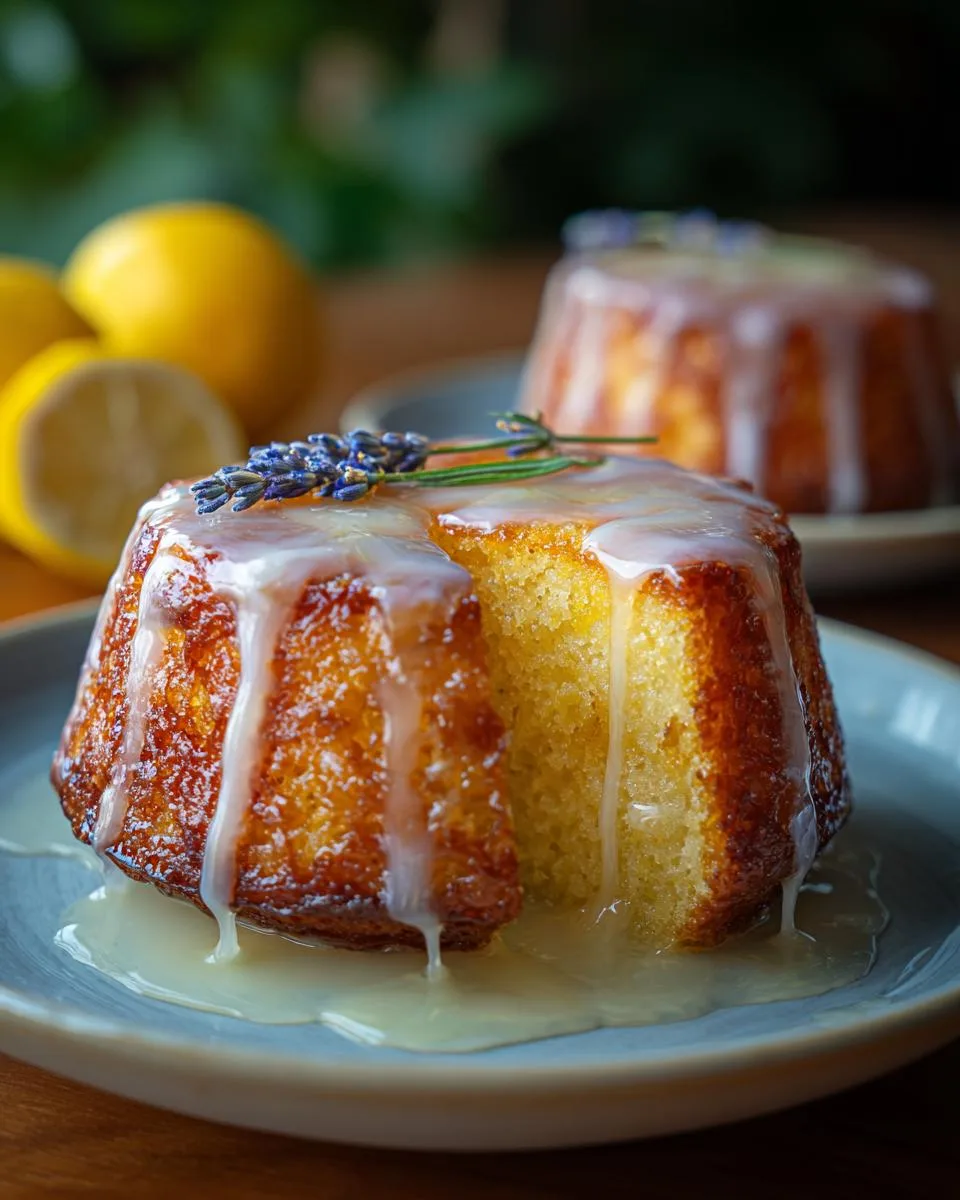
Once the cakes are completely cool, place your wire rack over a baking sheet to catch drips. You can drizzle the glaze from a spoon, or carefully dip the top of each cake into the bowl. Let the excess drip off. Immediately sprinkle on a little extra lemon zest or place an edible flower on top before the glaze sets. This final touch makes them absolutely beautiful. Now, they are ready to serve and enjoy.
Pro Tips for the Best Mini Lemon Cakes
These little tips make a big difference. They are the secrets I have learned after making dozens of batches of these mini lemon cakes. Follow them for bakery-level results every single time.
- Embrace Room Temperature: This is my number one rule. Butter, eggs, sour cream, and milk must be at room temperature. Cold ingredients do not blend smoothly. They create a lumpy batter that bakes into dense cakes. Let everything sit out for 30 minutes before you start.
- Mix with a Light Hand: Once you add the flour, your goal is to mix just until you see no more dry streaks. Overmixing develops gluten, which turns your tender mini cakes tough and chewy. Low speed and a watchful eye are your best tools.
- Zest Like a Pro: Use a microplane zester. It creates fine, fluffy zest with no bitter white pith. Grate your lemons before you juice them. This gives you the most potent, sunny lemon flavor for your cake batter.
- Time the Lavender: Steep the lavender buds in the warm milk for exactly ten minutes. This is the sweet spot. It infuses a soft floral note without letting any bitter oils take over. Set a timer. Trust me on this one.
- Patience with Cooling: Do not even think about that glaze until your cakes are completely cool to the touch. A warm cake will absorb the glaze or cause it to slide right off. The full hour on the rack is worth the wait for a perfect, set finish.
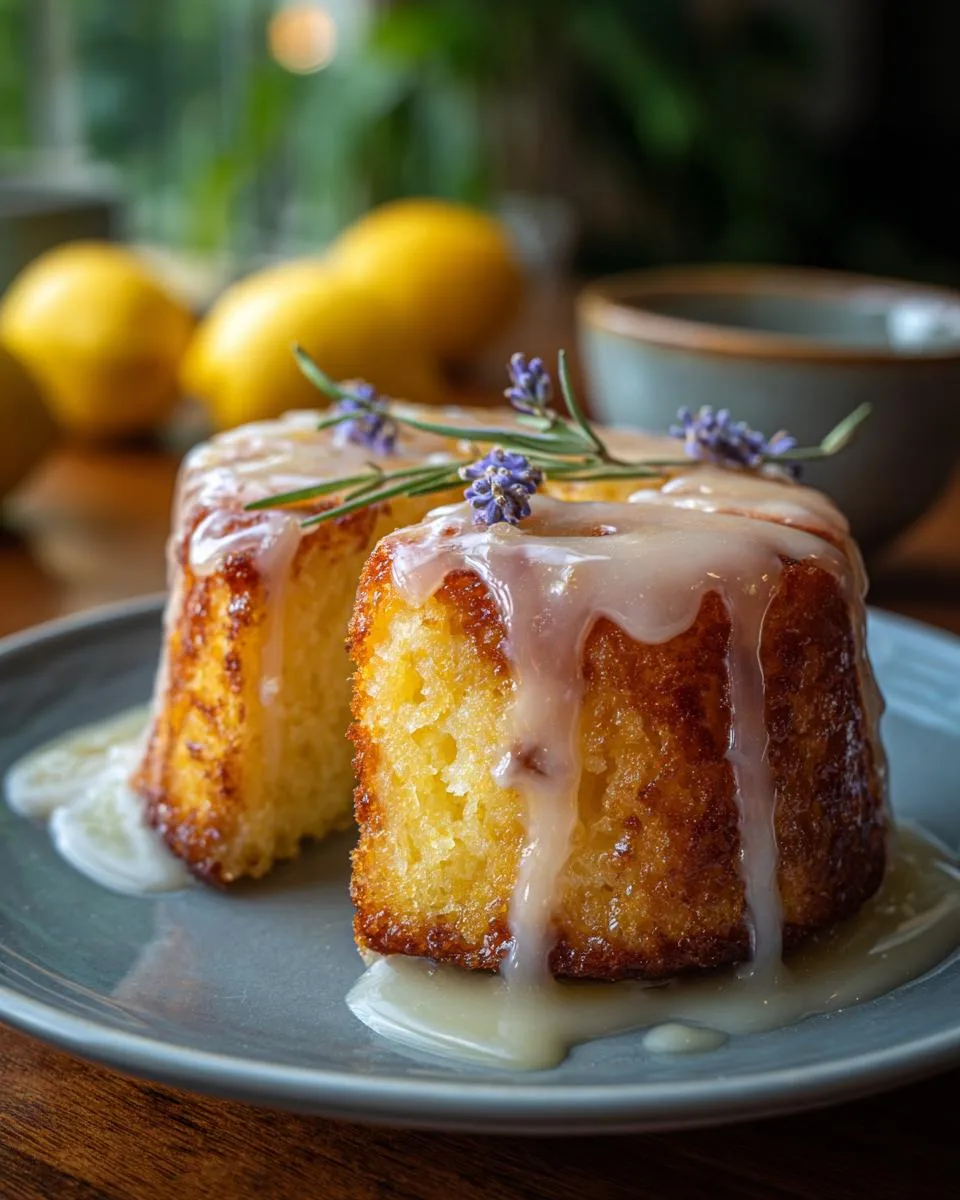
Stick to these simple guidelines, and your mini lemon cakes will be moist, flavorful, and stunning. You have got this.
Common Mistakes to Avoid
We have all been there. A simple slip can change a cake’s texture or flavor. Knowing these common pitfalls ahead of time will set you up for perfect mini lemon cakes every time. Here is what to watch for.
- Using cold ingredients. Why it happens: We forget to pull things from the fridge. Cold butter won’t cream properly, and cold dairy can make your smooth batter curdle. How to fix it: Plan ahead. Let your butter, eggs, sour cream, and milk sit on the counter for a good 30 minutes before you start mixing.
- Overmixing the batter. Why it happens: We want it perfectly smooth, so we keep mixing after adding the flour. This overworks the gluten. How to fix it: Mix on the lowest speed when adding dry ingredients. Stop the moment you see no more dry flour streaks. A few small lumps are just fine.
- Over-steeping the lavender. Why it happens: We think more time equals more flavor. With lavender, it actually brings out bitter oils. How to fix it: Set a timer for 10 minutes when the buds are in the warm milk. When it dings, strain it immediately for a gentle, floral taste.
- Glazing warm cakes. Why it happens: We get excited and want to finish them. A warm cake will melt the glaze into a thin, runny mess. How to fix it: Let the cakes cool on the wire rack for the full hour. They should feel completely cool to the touch before you even make the glaze.
If you make one of these mistakes, don’t panic. The cakes will still taste wonderful. Just note it for next time, and you will be a pro.
Delicious Variations
The beauty of this mini lemon cakes recipe is its flexibility. Once you master the base, you can play with flavors to match any season or craving. Here are a few of my favorite twists that always earn rave reviews.
- Blueberry Lemon: Gently fold ½ cup of fresh blueberries into the finished batter. The berries burst while baking, creating little pockets of jammy sweetness that pair perfectly with the bright lemon. If using frozen blueberries, do not thaw them first to prevent the batter from turning blue.
- Lemon Poppy Seed: Add 2 tablespoons of poppy seeds to your dry ingredients before whisking. They add a delightful crunch and a classic, bakery-style flavor that feels wonderfully nostalgic. The tiny black specks also make the cakes look beautifully professional.
- Simple Lemon Glaze: If you want pure, unadulterated lemon flavor or can’t find lavender, skip the steeping step. Use plain room-temperature milk for the glaze and whisk in an extra teaspoon of finely grated lemon zest. It’s sunny, tart, and absolutely irresistible.
- Coconut Twist: For a tropical vacation in a bite, replace the milk in the glaze with full-fat canned coconut milk. The rich, creamy coconut flavor complements the lemon beautifully. You can even toast some shredded coconut to sprinkle on top for extra texture.
Do not be afraid to make this recipe your own. A simple change can create a whole new dessert experience.
Serving Suggestions
These mini lemon cakes are little stars that shine in any setting. Their elegant look and bright flavor make them incredibly versatile. Here are my favorite ways to serve them, from quiet afternoons to big celebrations.
For a spring brunch, arrange them on a tiered stand with a big pot of Earl Grey tea or strong coffee. The floral notes in the glaze pair perfectly. They make a beautiful, fuss-free dessert for a dinner party. Plate them with a small dollop of whipped cream and a few fresh raspberries for a pop of color.
Package them individually in clear cellophane bags tied with ribbon for a charming homemade gift. They are also the ultimate picnic or potluck treat. Tuck them into a container, they travel beautifully. Of course, they are a complete delight all on their own as a sweet afternoon pick-me-up with a glass of cold milk. They also pair wonderfully with a simple bowl of mixed berries or a scoop of vanilla bean ice cream for something extra special.
FAQs About Mini Lemon Cakes
Can I make these in a regular muffin pan?
Yes, absolutely. Use a standard 12-cup muffin pan lined with papers. Fill each cup about ⅔ full. The bake time will be longer, about 22 to 25 minutes. Check for doneness with a skewer in the center.
Where do I find culinary lavender?
Look in the spice or tea aisle of well-stocked grocery stores, at specialty food shops, or online retailers. The label must say “culinary grade.” Do not use lavender from craft stores, as it is not for eating.
How do I store leftover mini lemon cakes?
Store glazed cakes in a single layer in an airtight container at room temperature for up to 2 days. For longer storage, keep them in the fridge for up to 5 days. The glaze may become slightly sticky, but they will still taste delicious.
What is the calorie count per cake?
Each mini lemon cake is approximately 320 calories. This nutritional information is an estimate. The count can vary based on specific ingredients, brands used, and any variations you make to the recipe.
Can I freeze these cakes?
Yes, you can freeze them beautifully. Freeze the unglazed, fully cooled cakes on a baking sheet, then transfer to a freezer bag for up to 2 months. Thaw at room temperature and glaze them just before serving for the best texture.

Enjoy Your Mini Lemon Cakes
There you have it. Your guide to creating elegant, flavorful mini lemon cakes that are absolutely perfect for sharing. I hope these little bites of sunshine bring as much joy to your kitchen as they have to mine. They truly prove that a special dessert does not need to be complicated.
Now, I would love to hear from you. Did you try the lavender glaze or a fun variation? Tell me all about your baking adventure in the comments below. For more easy, foolproof recipes that turn simple ingredients into something wonderful, be sure to follow along right here. Happy baking, friends.
Print
Mini Lemon Cakes
- Total Time: 110 minutes
- Yield: 12 servings 1x
- Diet: Vegetarian
Description
These mini cakes deliver a bright lemon flavor with a moist crumb, topped with a delicate lavender glaze. They are perfect for a light snack or a special dessert.
Ingredients
- 1 1/3 cups all-purpose flour
- 1/2 teaspoon kosher salt
- 1/4 teaspoon baking soda
- 1/2 cup (1 stick) unsalted butter, softened
- 2/3 cup granulated sugar
- 1/3 cup packed light brown sugar
- 1 tablespoon finely grated lemon zest (from about 2 lemons)
- 2 large eggs
- 1/4 cup sour cream
- 1/4 cup whole milk
- 1 teaspoon vanilla extract
- 1/4 cup whole milk (for glaze)
- 1/2 teaspoon dried culinary lavender buds
- 1 1/2 cups powdered sugar
- 1/8 teaspoon vanilla extract (for glaze)
- Optional garnishes: edible flowers, extra lemon zest
Instructions
- Preheat your oven to 325°F (160°C). Spray two mini muffin or mini cake pans with baking spray.
- In a medium bowl, whisk the flour, salt, and baking soda together.
- In a stand mixer, beat the butter, sugars, and lemon zest until light and fluffy, about 3 minutes.
- Add the eggs one at a time, beating well after each.
- In a small bowl, whisk the sour cream, milk, and vanilla extract together.
- With the mixer on low, add one-third of the flour mixture. Mix just to combine. Add half of the sour cream mixture and mix. Repeat, alternating and ending with flour. Do not overmix.
- Divide the batter evenly among the prepared pans. Tap the pans to release air bubbles.
- Bake for 18 to 20 minutes, or until a skewer comes out clean.
- Cool in the pans for 10 minutes, then invert onto a wire rack to cool completely, about 1 hour.
- While cooling, warm the milk for the glaze in the microwave for 1 minute. Stir in lavender buds and steep for 10 minutes.
- Strain the lavender milk into a clean bowl. Discard the buds.
- Whisk powdered sugar and vanilla extract together. Gradually stir in the lavender milk until you get a pourable glaze. Adjust consistency with more milk or sugar if needed.
- Drizzle the glaze over the cooled cakes. Garnish if desired before the glaze sets.
Notes
- Use room temperature ingredients for the best texture.
- Use culinary lavender only.
- Do not overmix the batter.
- Adjust the glaze consistency as needed.
- Prep Time: 30 minutes
- Cook Time: 20 minutes
- Category: Dessert
- Method: Baking
- Cuisine: American
Nutrition
- Serving Size: 1 mini cake
- Calories: 320 kcal
- Sugar: 32g
- Sodium: 120mg
- Fat: 12g
- Saturated Fat: 7g
- Unsaturated Fat: 4g
- Trans Fat: 0g
- Carbohydrates: 50g
- Fiber: 0.5g
- Protein: 3g
- Cholesterol: 65mg
Keywords: mini lemon cakes, lavender glaze, dessert, baking, tea cake