You know that moment in a French patisserie, when you bite into a cookie so buttery and crumbly it feels like a little piece of magic melting in your mouth? That’s what we’re making today. These French salted butter cookies, or sablés, are my absolute favorite secret for turning a few pantry staples into something truly elegant. The secret isn’t complicated, it’s about using very soft butter and trusting the chill.
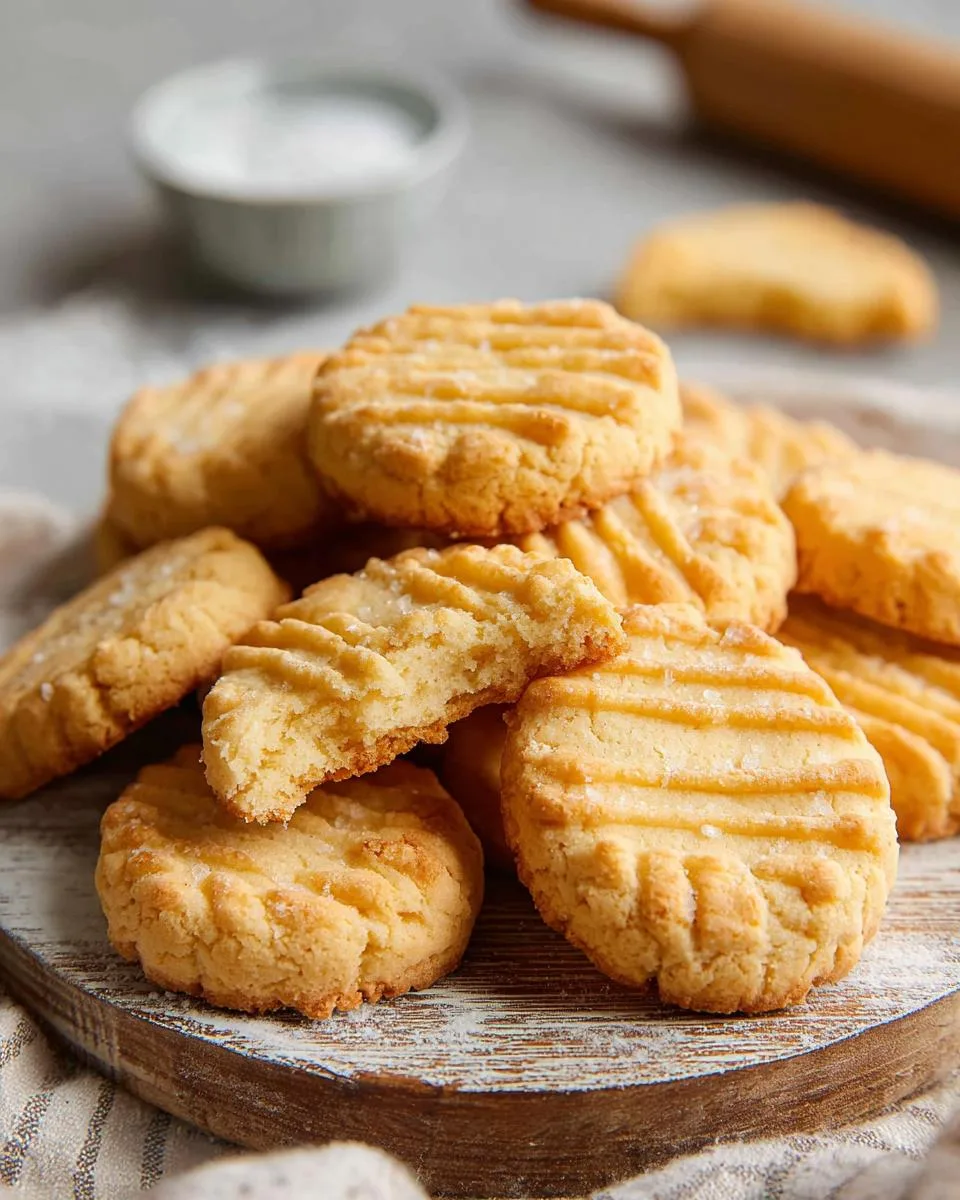
I learned this recipe from a friend’s grandmother in Provence, who insisted the texture should be “sandy” and tender. It’s become my go-to for when I need a treat that feels special but doesn’t require a whole day in the kitchen. They’re perfect with coffee, as a simple dessert, or packaged up as a gift. Let’s walk through how to get that authentic, melt-in-your-mouth crumb.
Table of Contents
Why You’ll Love These French salted butter cookies
This easy French salted butter cookie recipe is a game changer. It gives you that perfect, delicate crumb you dream about with a method that’s truly forgiving.
- Authentic French Texture: You get the real deal: a cookie that’s tender and sandy, melting away with each buttery bite.
- Simple, Short Ingredient List: We’re talking egg yolks, powdered sugar, flour, and butter. No fancy equipment or obscure ingredients needed.
- Foolproof Technique: I’ll guide you through the key steps, like getting your butter to the right softness and that essential chill time, so your first batch is a success.
- Perfect Make-Ahead Treat: The dough rolls out and chills on a sheet pan. You can bake a few now and save the rest for a fresh batch tomorrow, or even freeze it for later.
- Incredibly Versatile: Enjoy these classic sablé cookies plain, or dip them in chocolate, add a little zest, or sprinkle them with sugar. They adapt to any occasion.
Whether you’re a new baker or just want a reliable, elegant cookie, this recipe is your answer. Let’s get into what you’ll need.
Ingredients You’ll Need
The magic of these French salted butter cookies lies in the quality and preparation of just a few ingredients. Each one plays a specific role in creating that perfect sandy crumb.
- 3 large egg yolks, at room temperature Ingredient Note: Room temperature yolks blend smoothly into the dough for a uniform, rich texture. Cold yolks can make the mixture lumpy.
- ½ cup (65g) powdered sugar, sifted Ingredient Note: Powdered sugar, also called icing sugar, dissolves instantly and creates a finer, more tender crumb than granulated sugar. Sifting it prevents lumps.
- ½ cup (1 stick or 113g) unsalted butter, very soft Ingredient Note: This is the star. The butter must be very soft. Think of the consistency of thick mayonnaise, it should indent deeply when pressed but still hold its shape. If it’s oily or melted, your cookies will spread too much.
- 1 ½ cups (180g) all-purpose flour, spooned and leveled To measure correctly, spoon the flour into your measuring cup and level it off with a knife. Don’t scoop from the bag.
- ½ teaspoon baking powder This gives the cookies a little lift and keeps them light.
- 1 large egg yolk, beaten (for optional egg wash) This gives the baked cookies a beautiful golden sheen. It’s purely for looks, so skip it if you want.
Substitution Tip: If you love the taste of salted butter, you can use a high-quality salted butter and simply omit any added salt from the recipe. The flavor will be a bit more pronounced and delicious.
Gathering these ingredients is the first step. Now, let’s make the dough.
How to Make French Salted Butter Cookies
Making these cookies is a gentle process. The goal is a tender dough, not a tough one. Follow these steps, and you’ll have perfect French salted butter cookies.
Step 1: Prepare Your Butter and Wet Ingredients
First, check your butter. It should be very soft. Press it with your finger. It should indent deeply but not be oily or melted. This is the most important step for the right texture. In a medium bowl, whisk your 3 room-temperature egg yolks and the sifted powdered sugar together. Whisk for a good minute or two until the mixture is pale yellow and smooth. This incorporates air and starts building that light, sandy base.
Step 2: Create the Butter Base
Add your very soft butter to the egg yolk mixture. Use a stiff spatula or even your hands to mix it in. You’re aiming for a thick, creamy, homogenous paste. It should look like a smooth, buttery frosting. A few tiny lumps of butter are fine, but try to get it as smooth as you can without overworking it.
Step 3: Incorporate the Dry Ingredients
Sift your flour and baking powder directly into the bowl with your butter paste. This ensures no lumps. Now, use your spatula or clean hands to gently mix everything together. Fold and press until the flour is fully absorbed and a smooth dough forms. Stop mixing as soon as it comes together. Overworking the dough here will develop gluten and make your cookies tough instead of tender.
Step 4: Roll and Chill the Dough
Place your dough on a sheet of parchment paper. Cover it with another sheet. Use a rolling pin to roll the dough out to about a ¼-inch thickness. If the dough feels too sticky or soft to handle, simply slide the parchment-with-dough onto a tray and pop it in the fridge for 15 minutes to firm up slightly. Once rolled, transfer the whole sheet (dough still on the parchment) to a baking sheet and refrigerate for at least 1 hour. This chill is non-negotiable. It hydrates the flour and firms the butter, which is the secret to preventing cookie spread and achieving that perfect crumb.
Step 5: Cut, Decorate, and Bake
Preheat your oven to 325°F (160°C). Line a fresh baking sheet with parchment or a silicone mat. Remove the chilled dough from the fridge. Use a 2.5-inch cookie cutter to cut out your shapes. Press straight down, don’t twist. Place the cookies on your new prepared sheet.
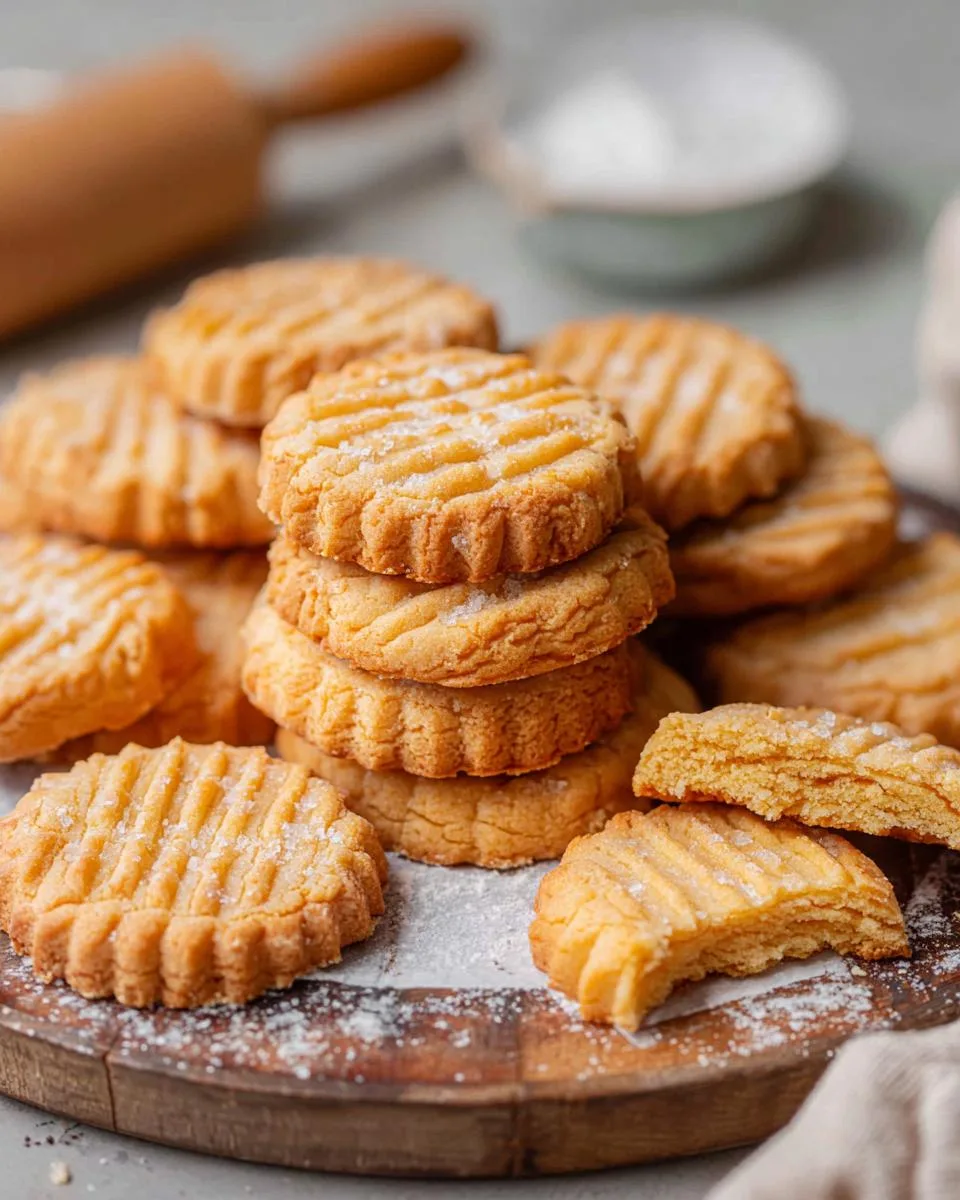
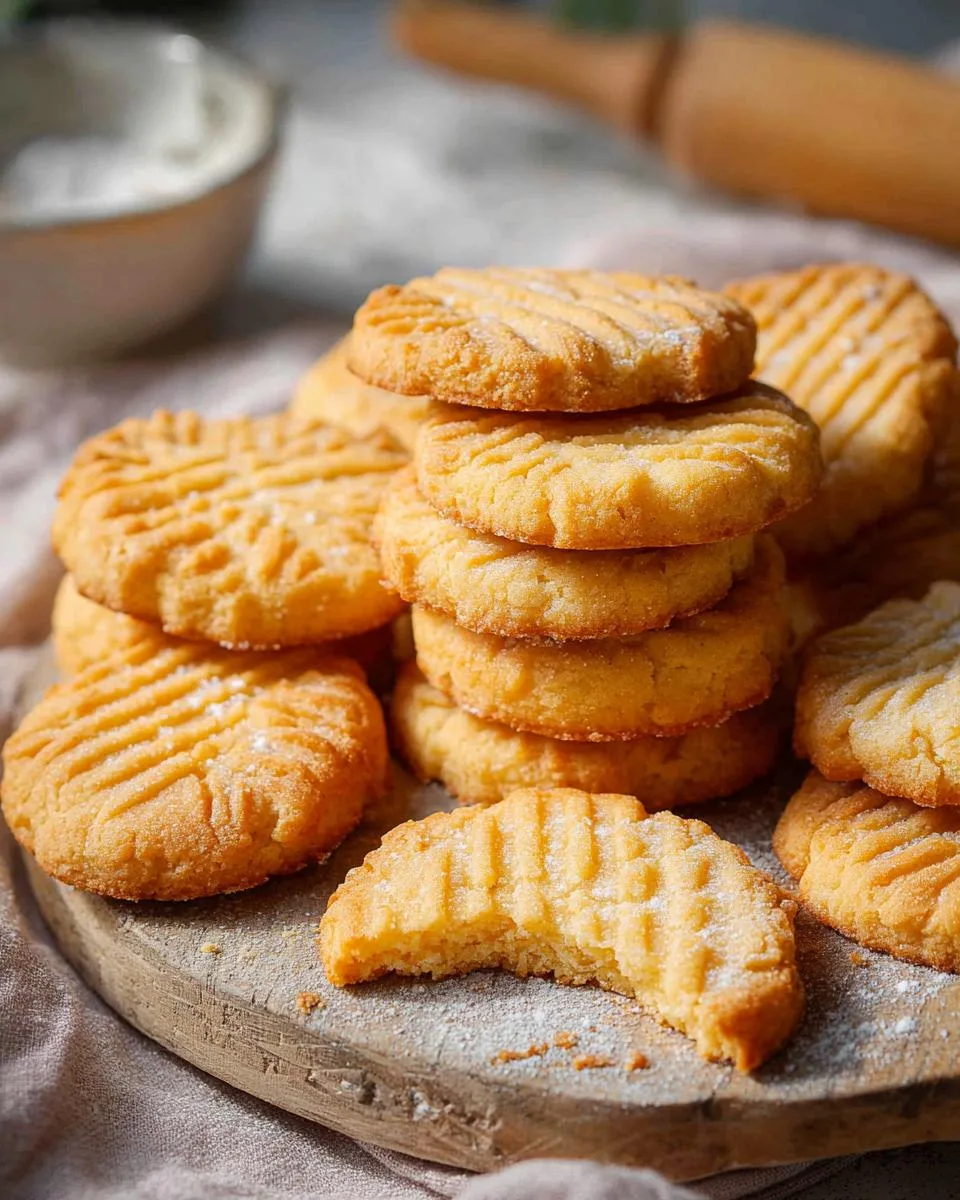
For a classic look, gently press the back of a fork onto each cookie. If the fork sticks, dip it in a little water first. For a golden shine, brush the tops lightly with the beaten egg yolk. Bake for 15 to 18 minutes. They are done when the edges are just lightly golden brown and the centers look set. Let them cool on the sheet for 5 minutes before moving them to a rack to cool completely.
Pro Tips for the Best French Salted Butter Cookies
A few simple tricks make the difference between a good cookie and a perfect, sandy French sablé. Here’s how to guarantee that melt-in-your-mouth texture every time.
- Butter Temperature is Everything: Your butter should indent deeply when pressed, but still hold its shape, like thick mayonnaise. If it’s melted or oily, the cookies will spread and lose their delicate crumb.
- Don’t Skip the Sift: Sifting the powdered sugar and flour isn’t just for looks. It prevents lumps and ensures a perfectly fine, tender texture in every bite.
- Chill Twice if Needed: If the dough softens up while you’re cutting shapes, simply slide the baking sheet with the cut cookies back into the fridge for 10 minutes before baking. This quick chill locks in the shape.
- Use a Sharp Cutter: A clean, sharp cookie cutter gives you neat edges. Press straight down and lift up. Twisting the cutter can seal the edges and prevent the cookie from rising evenly.
- Cool Completely for Texture: The cookies are still soft when they come out of the oven. Let them cool completely on the rack. This allows them to finish setting, giving you that ideal, crumbly bite.
- Charlotte’s Secret: For the most consistent results, I roll my dough directly onto the parchment paper I’ll use to chill it. This means no extra handling or sticking when it’s time to transfer to the pan.
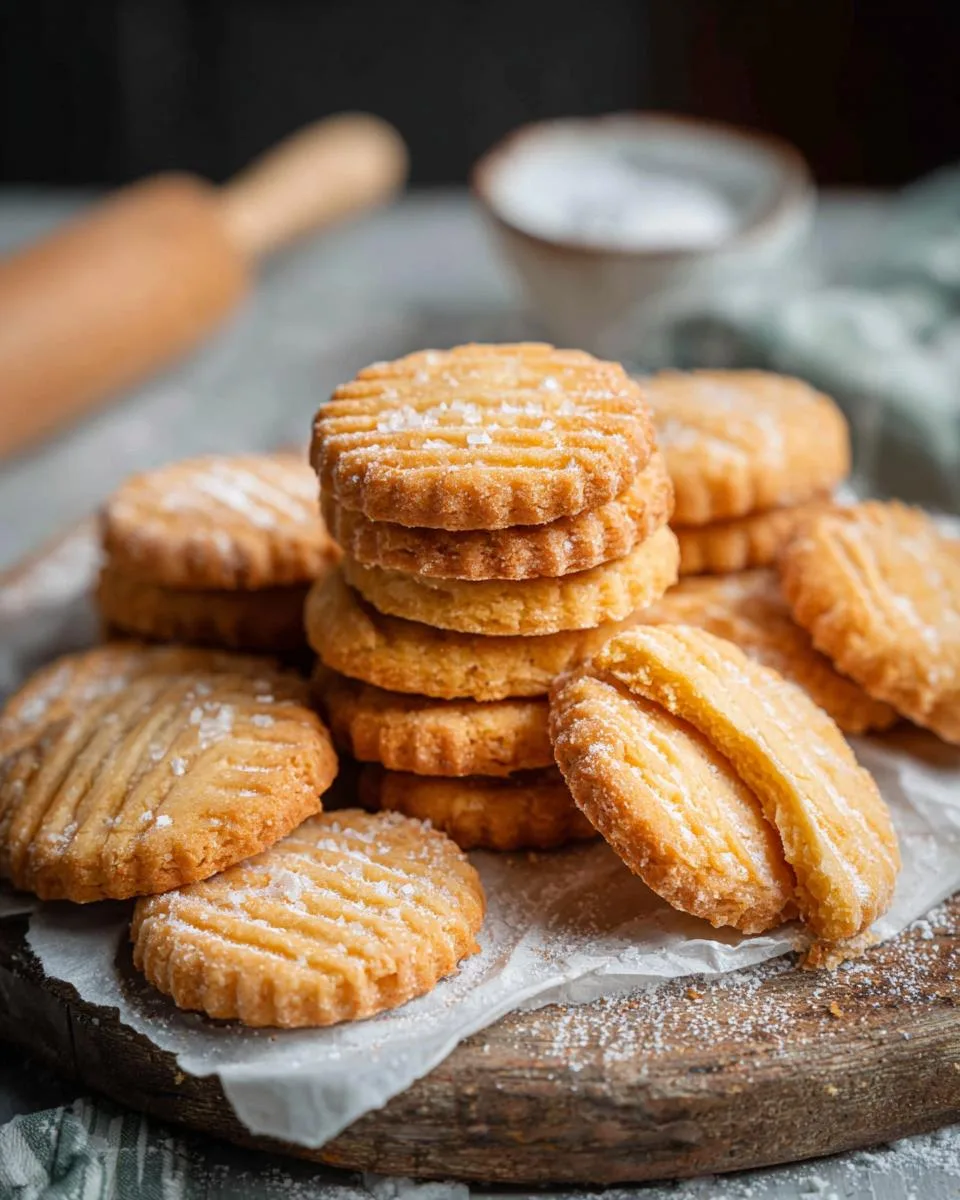
Following these tips will give you cookies with that authentic, delicate crumb and beautiful shape. Now, let’s look at what to watch out for.
Common Mistakes to Avoid
Even small missteps can change your cookie’s texture. Here are the main pitfalls and how to easily avoid them.
- Using Cold or Melted Butter: Cold butter won’t blend into a creamy paste, leaving lumps. Melted butter causes the cookies to spread flat and lose their sandy crumb. Your butter must be very soft. Press it with your finger. It should indent deeply but still hold its shape, like thick mayonnaise.
- Skipping the Chill Time: The dough needs that full hour in the fridge. This chill hydrates the flour and firms the butter back up. Without it, the cookies will spread out on the pan and lose their defined shape. If you’re impatient, set a timer.
- Overworking the Dough: Once you add the flour, mix gently just until it’s absorbed and a dough forms. Excessive mixing develops the gluten in the flour, which makes the cookies tough and chewy instead of tender and crumbly. Stop as soon as it comes together.
- Overbaking: These cookies are done when the edges are just lightly golden brown. The centers should look set but not dark. They continue to cook on the hot tray after you pull them out. If you’re unsure, take them out a minute early. A pale cookie is better than a hard, overbaked one.
Keeping these points in mind will steer you toward perfect cookies every time. Now, let’s talk about how you can play with this classic recipe.
Delicious Variations
This French salted butter cookie dough is a wonderful blank canvas. A small tweak can transform it into a whole new treat. Here are my favorite ways to play with the classic recipe.
- Citrus Zest: Add the finely grated zest of one lemon or orange to the bowl when you whisk the egg yolks and sugar. The bright, fragrant zest cuts through the richness beautifully, creating a cookie that’s perfect for spring or summer.
- Chocolate Dip: Once your cookies are completely cooled, dip half of each one into melted dark chocolate. Let them set on parchment paper. This adds an elegant, bittersweet contrast and makes them feel extra special for a gift or party.
- Almond Extract: Add just ¼ teaspoon of pure almond extract along with the egg yolks. It gives the cookies a subtle, nutty depth that pairs wonderfully with a cup of coffee. Be careful not to add more, as it can become overpowering.
- Sanding Sugar: Before baking, sprinkle the tops of your cookies with coarse, sparkling sanding sugar. It adds a lovely crunch and a festive look without altering the dough’s texture. You can also use this on the egg wash for extra shine.
- Spiced Twist: For a cozy fall version, add ½ teaspoon of cinnamon and a pinch of nutmeg to the flour before sifting it into the dough. It’s a simple change that makes them feel warm and holiday-ready.
Each variation keeps the same tender, sandy base. Choose one or mix and match to create your own signature cookie. Now, let’s talk about how to serve them.
Serving Suggestions
The beauty of these French salted butter cookies is that they’re elegant enough for a party but simple enough for a Tuesday. Here are my favorite ways to enjoy them.
- Afternoon Tea Companion: Serve a few on a small plate next to a pot of Earl Grey or a floral herbal tea. Their delicate crumb and buttery flavor are perfect for balancing a strong cup.
- Simple Dessert Platter: Arrange them on a plate with a handful of fresh raspberries or strawberries and a small bowl of lightly sweetened whipped cream. It looks beautiful and tastes even better.
- The Perfect Homemade Gift: Once completely cooled, stack them in a decorative tin or a clear cellophane bag tied with a ribbon. They travel well and feel so much more special than anything store-bought.
- Morning Coffee Break: Grab two or three with your morning coffee. The rich, sandy texture is a lovely treat that doesn’t feel too sweet or heavy early in the day.
- Standalone Snack: Honestly, their flavor is so perfect they don’t need anything else. Keep a container on your counter for when you need just one little bite of something good.
No matter how you serve them, let them shine at room temperature. That’s when their texture is truly magical. Next, let’s answer some common questions.
FAQs About French Salted Butter Cookies
Can I use salted butter?
Yes, you can use salted butter. Just skip any added salt in the recipe. The flavor will be a bit more pronounced and savory, which many people love. It’s a great shortcut.
How do I store these cookies?
Store your cooled cookies in an airtight container at room temperature. They will stay fresh and crumbly for up to 5 days. For the best texture, enjoy them within 3 days.
Can I freeze the dough?
Absolutely. Wrap the rolled-out dough disk tightly in plastic wrap. You can freeze it for up to 3 months. When you’re ready to bake, thaw it in the refrigerator overnight before cutting and baking.
Why are my cookies not crumbly?
If your cookies are tough instead of sandy, two things likely happened. First, you may have overmixed the dough after adding the flour. Second, your butter might have been too warm or melted. Next time, mix just until combined and ensure your butter is very soft but not oily.
What are the nutrition facts?
Based on this recipe, one cookie is about 94 calories. Please note, nutrition can vary depending on the specific ingredients and brands you use.
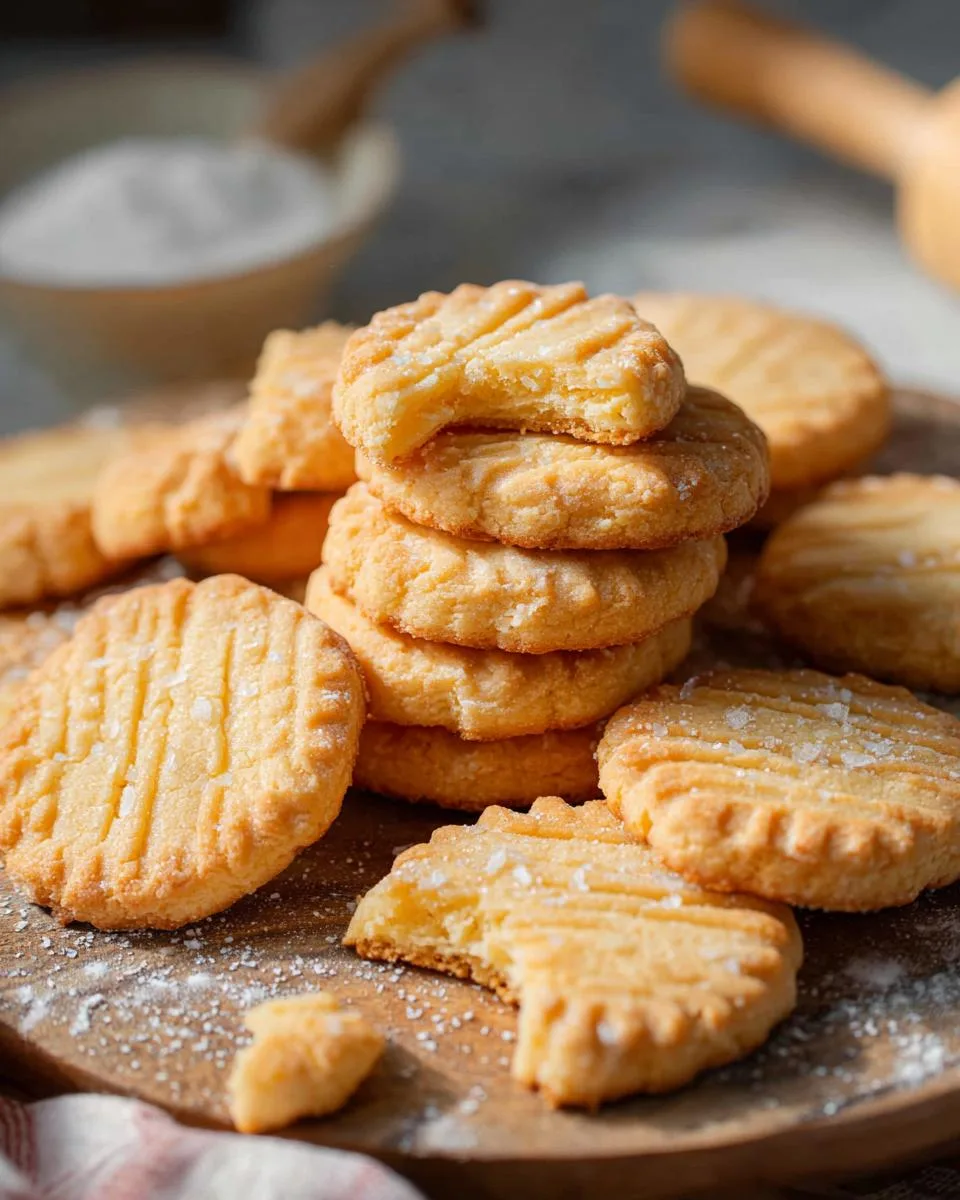
Bake Your Batch of French Salted Butter Cookies
That’s all you need to create these elegant, crumbly French salted butter cookies. With a handful of simple ingredients and a trust in the chill, you’ll have a treat that feels both special and effortless. I can’t wait for you to experience that first sandy, melt-in-your-mouth bite. Please share how your cookies turn out in the comments below. I love seeing your kitchen successes! For more easy, classic recipes like this one, follow along on Pinterest. Happy baking!
Print
French Salted Butter Cookies
- Total Time: 80 minutes
- Yield: 20 servings 1x
- Diet: Vegetarian
Description
A classic French cookie recipe for buttery, crumbly salted butter cookies. Simple to make with a melt-in-your-mouth texture, perfect with coffee or tea.
Ingredients
- 3 large egg yolks, at room temperature
- ½ cup (65g) powdered sugar
- ½ cup (1 stick or 113g) unsalted butter, very soft, cut into small cubes
- 1 ½ cups (180g) all-purpose flour
- ½ teaspoon baking powder
- 1 large egg yolk, beaten (for egg wash, optional)
Instructions
- Ensure your butter is very soft but not melted. Let it sit at room temperature for about 30 minutes to an hour before you begin.
- In a medium bowl, whisk together the 3 egg yolks and powdered sugar until smooth and pale yellow.
- Add the very soft butter to the egg yolk and sugar mixture. Whisk or use a stiff spatula to combine until you have a thick, creamy paste.
- Sift the all-purpose flour and baking powder directly into the bowl with the butter mixture. Use a spatula or your hands to gently mix until a cohesive, smooth dough forms. Do not overwork the dough.
- Lay a sheet of parchment paper on your counter and place the dough onto it. Cover with another sheet of parchment paper. Use a rolling pin to roll the dough to about ¼ inch thickness.
- Carefully peel off the top layer of parchment paper. If the dough is too soft, place it in the refrigerator for 15-20 minutes to firm up slightly before proceeding.
- Transfer the rolled dough (still on the bottom layer of parchment) to a baking sheet. Chill in the refrigerator for at least 1 hour, or up to overnight. This step prevents the cookies from spreading too much.
- Preheat your oven to 325°F (160°C). Line a fresh baking sheet with parchment paper or a silicone baking mat.
- Remove the chilled dough from the refrigerator. Using a cookie cutter (about 2.5 inches wide), cut out your cookies. Gently place the cut cookies onto the prepared baking sheet, leaving space between them.
- If you wish, lightly press the back of a fork onto each cookie to create a decorative pattern. Dip the fork in water if it sticks. For a golden sheen, lightly brush the tops with the beaten egg yolk.
- Bake for 15 to 18 minutes, or until the edges are lightly golden brown and the centers are set.
- Let the cookies cool on the baking sheet for 5 minutes before transferring them to a wire rack to cool completely.
Notes
- Use very soft, but not melted, butter for the right texture and to prevent spreading.
- Chill the dough thoroughly before cutting and baking to maintain shape and ensure a crumbly texture.
- Leftover dough can be re-rolled and chilled again for baking.
- Prep Time: 20 minutes
- Cook Time: 18 minutes
- Category: Dessert
- Method: Baking
- Cuisine: French
Nutrition
- Serving Size: 1 cookie
- Calories: 94 kcal
- Sugar: 3g
- Sodium: 5mg
- Fat: 6g
- Saturated Fat: 3.5g
- Unsaturated Fat: 2g
- Trans Fat: 0g
- Carbohydrates: 9g
- Fiber: 0.2g
- Protein: 1g
- Cholesterol: 45mg
Keywords: French butter cookies, salted butter cookies, classic cookie recipe, easy baking, tea cookies